
Understanding Nuclear Energy: Key Definitions
If you’re curious about nuclear energy and want to understand it better, you’re in the right place. Nuclear energy might sound complicated, but I’m here to break it down for you. Whether you’re thinking about a career in the nuclear industry or just want to learn something new, this guide will help you get started. Let’s dive into the basics and key definitions you need to know.
Nuclear Energy Basics: What You Should Know
Nuclear energy is a powerful source of electricity. It comes from splitting atoms, which releases a huge amount of energy. This energy can then be used to generate electricity for homes, schools, and businesses. The process happens inside a nuclear power plant, where special machines control the reaction safely.
Here are some important terms to get familiar with:
Atom: The smallest unit of matter. Everything around you is made of atoms.
Nucleus: The center of an atom, made up of protons and neutrons.
Fission: The process of splitting a nucleus into smaller parts, releasing energy.
Radioactive: Materials that give off energy as they break down.
Understanding these terms will help you grasp how nuclear energy works. If you want to explore more detailed nuclear energy definitions, this link is a great resource.
How Does Nuclear Energy Work?
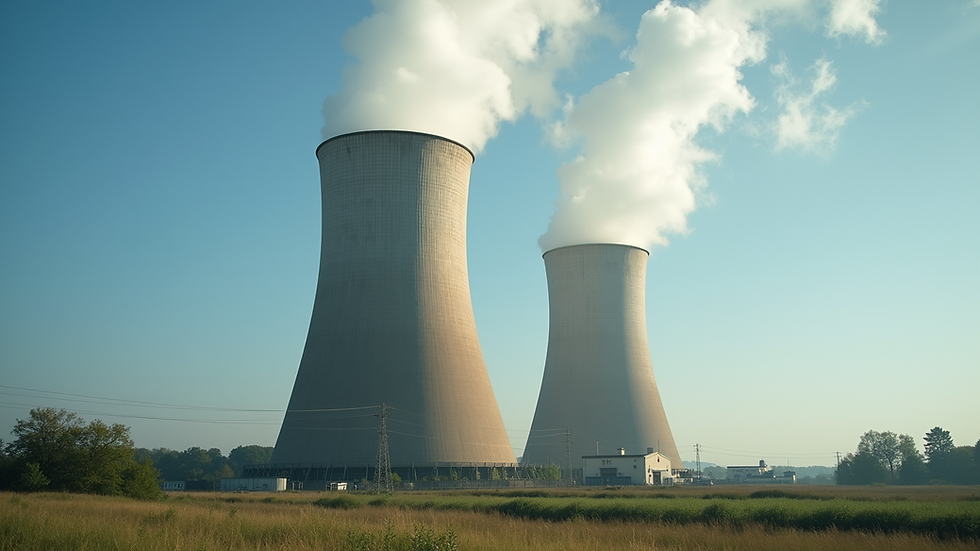
Nuclear energy starts with atoms. When the nucleus of an atom splits, it releases energy in the form of heat. This heat is used to boil water, creating steam. The steam then spins turbines connected to generators, producing electricity.
The most common fuel used in nuclear power plants is uranium. Uranium atoms are split in a controlled chain reaction inside a reactor. Control rods help manage this reaction by absorbing neutrons and slowing the process down when needed.
Here’s a simple breakdown of the process:
Uranium fuel rods are placed in the reactor.
Neutrons hit uranium atoms, causing fission.
Energy is released as heat.
Heat turns water into steam.
Steam spins turbines.
Turbines generate electricity.
This process is efficient and produces a lot of energy from a small amount of fuel. Plus, nuclear power plants don’t emit greenhouse gases like coal plants do, making them a cleaner energy option.

What is Nuclear Energy for Dummies?
If you’re new to this topic, think of nuclear energy like a super-powered battery. Instead of using chemicals like in regular batteries, it uses atoms. When these atoms split, they release a lot of energy, much more than burning coal or gas.
Imagine breaking a tiny Lego block into smaller pieces. When you do that with atoms, energy bursts out. This energy heats water, creates steam, and powers turbines to make electricity. It’s like turning on a giant steam engine, but the steam comes from nuclear reactions.
Here’s a quick analogy to help you remember:
Atoms are Legos.
Splitting atoms is breaking Legos.
Energy released is the power to run machines.
This simple idea is the foundation of nuclear power. It’s safe, reliable, and can provide electricity for millions of people.

Why Should You Care About Nuclear Energy?
Nuclear energy is more than just a science topic. It’s a growing industry with many job opportunities. If you’re looking for a career change or starting out, nuclear energy offers roles in engineering, safety, research, and more.
Here’s why nuclear energy matters:
It’s a clean energy source. It doesn’t produce carbon emissions.
It’s reliable. Nuclear plants run 24/7, unlike some renewable sources.
It’s powerful. A small amount of fuel produces a lot of energy.
It’s growing. New technologies and plants are being developed worldwide.
Getting to know nuclear energy basics can open doors for you. You can work in a field that helps the planet and supports modern life. Plus, the industry values people with fresh ideas and enthusiasm.
How to Start Your Journey in Nuclear Energy
Ready to explore a career in nuclear energy? Here are some steps to get you going:
Learn the basics. Start with simple concepts and build your knowledge.
Take courses. Many online and local programs offer nuclear energy training.
Get hands-on experience. Look for internships or entry-level jobs.
Join communities. Connect with professionals and enthusiasts online.
Stay curious. Keep up with news and advancements in the field.
Remember, you don’t need a science degree to start. Many roles in the nuclear industry value skills like problem-solving, communication, and teamwork. The key is to keep learning and stay motivated.
Nuclear energy is a fascinating and important field. By understanding the basics and key definitions, you’re already on your way to becoming part of this exciting industry. Keep exploring, ask questions, and take the next step toward your future in nuclear energy!

Comments